Higher Education | Designed Projects
FOOD TRUCK COMMISSARY
Victor Valley College
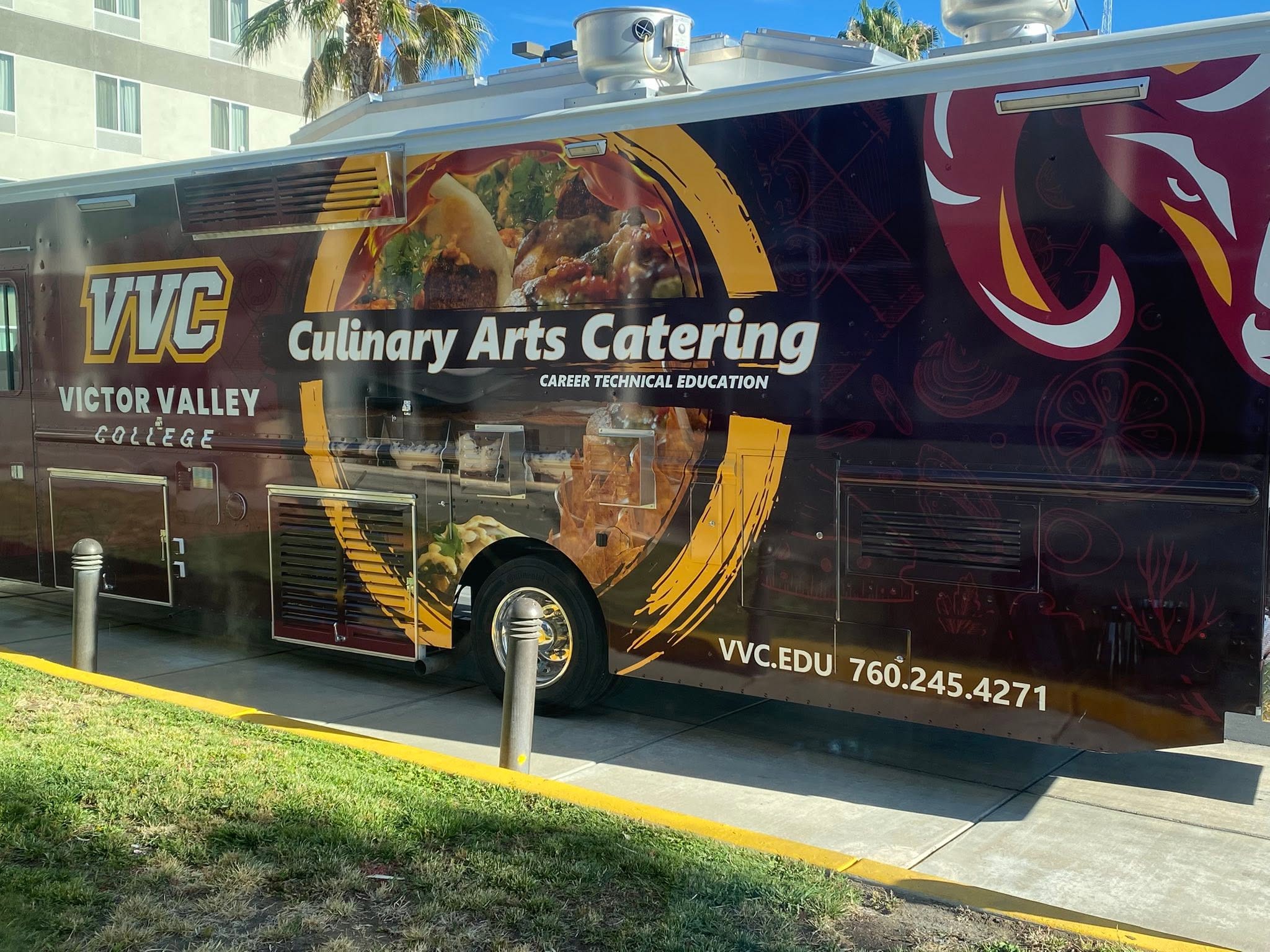
Developing an Onsite Food Truck Commissary: Victor Valley College
While food trucks provide flexible dining options for college campuses, they rely on specific operational infrastructure. Health department regulations mandate that food trucks return to a licensed commissary daily for cleaning, sanitizing, safe food storage, and waste disposal.
The Challenge: Offsite Commissary Logistics
When Victor Valley College recognized the need for a dedicated commissary to support its campus dining program, the default option of utilizing offsite facilities presented two primary challenges:
-
Financial Overhead: Leasing offsite commercial kitchen space requires significant ongoing operational expenditures.
-
Time Constraints: Daily travel to and from an offsite location reduces the operational hours available for trucks to actively serve students.
The Solution: Repurposing Existing Infrastructure
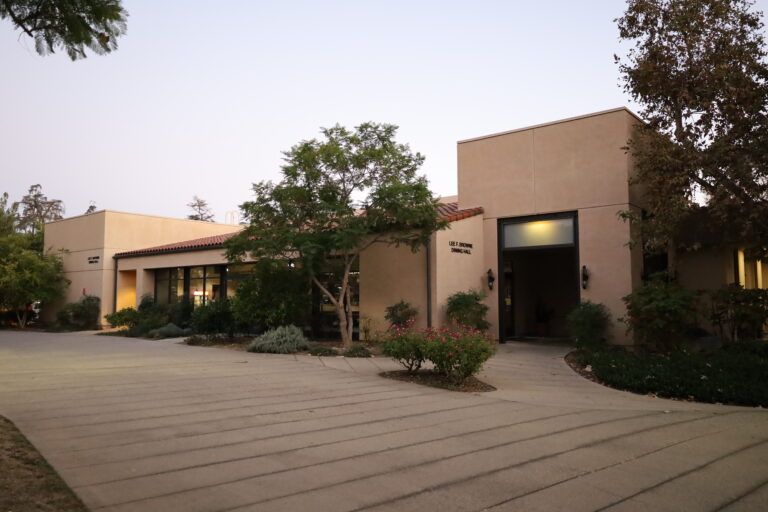
To provide a cost-effective and compliant solution without the extended timeline and capital expenditure of a new build, IRC Design conducted a comprehensive site evaluation. The strategy focused on repurposing existing infrastructure: an underutilized campus kitchen was identified and upgraded to serve as a fully functional, single-truck commissary.
Key design and implementation services included:
-
Workflow Optimization: Reconfiguring the existing kitchen’s layout to support specific food truck requirements, including designated prep zones and dry storage areas.
-
Regulatory Compliance: Planning the necessary plumbing, grease interceptors, and wash stations to ensure the facility met all local health department requirements for a commercial commissary.
Project Outcomes
By utilizing an existing footprint, the timeline from conceptual design to operational readiness was significantly reduced.
-
Cost Avoidance: The college successfully bypassed the heavy capital expenditure of new construction and eliminated the need for ongoing offsite lease payments.
-
Operational Efficiency: Food truck operators can now manage preparation, service, cleaning, and equipment storage from a central campus location, maximizing their active service hours.
-
Health and Safety: The redesigned kitchen met all health department inspection criteria for safe, sanitary, and legal operation.